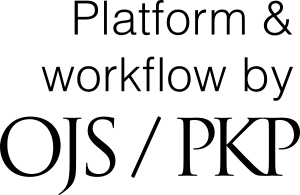
Comparison of doctor and patient’s assessment of asthma control at a Paediatric Tertiary Care Setup of Karachi, Pakistan.
DOI:
https://doi.org/10.29309/TPMJ/2026.33.04.10190Keywords:
Asthma, Caregiver, Children, Education, PhysicianAbstract
Objective: To compare doctor and patient/caregiver assessment of asthma control in children attending a tertiary pediatric care center in Karachi, Pakistan. Study Design: Cross-sectional study. Setting: Department of Pediatric Medicine, National Institute of Child Health, Karachi, Pakistan. Period: January 2025 to June 2025. Methods: A total of 263 children aged 6–12 years with physician-diagnosed asthma were enrolled through consecutive sampling. Sociodemographic data and physician-documented asthma severity were recorded. Asthma control was assessed using the Childhood Asthma Control Test (C-ACT), Parent Proxy ACT (PP-ACT), and physician evaluation. Data were analyzed in SPSS 26.0 using Mann–Whitney U, Chi-square, Cohen’s kappa (κ), and McNemar’s test with significance set at p<0.05. Results: In 263 children, the median age was 8.0 years (IQR 7.0–10.0), 151 (57.4%) were males, and the median duration of asthma was 3.0 years (IQR 2.0–4.0). Physician assessment classified 148 (56.3%) as well controlled and 115 (43.7%) as uncontrolled, while C-ACT classified 134 (51.0%) and 129 (49.0%), and PP-ACT classified 113 (43.0%) and 150 (57.0%), respectively. Agreement was 72.2% for physician vs C-ACT (κ=0.41, p=0.214), 67.7% for physician vs PP-ACT (κ=0.34, p=0.012), and 75.3% for C-ACT vs PP-ACT (κ=0.53, p<0.001). Uncontrolled asthma was associated with higher age, longer duration, lower maternal education, and greater severity. Conclusion: The study demonstrates that discordance exists between physician assessment and both child and caregiver reported evaluations of asthma control. Physician assessments tended to classify higher levels of control compared with patient or caregiver measures.
Downloads
Published
Issue
Section
License
Copyright (c) 2026 The Professional Medical Journal

This work is licensed under a Creative Commons Attribution-NonCommercial 4.0 International License.